Key Stories
Vitamin D for Babies and Children
Advice for babies and children needs its own page because children are not simply smaller adults. Age, feeding and the concentration of a preparation can all change what the instructions mean.
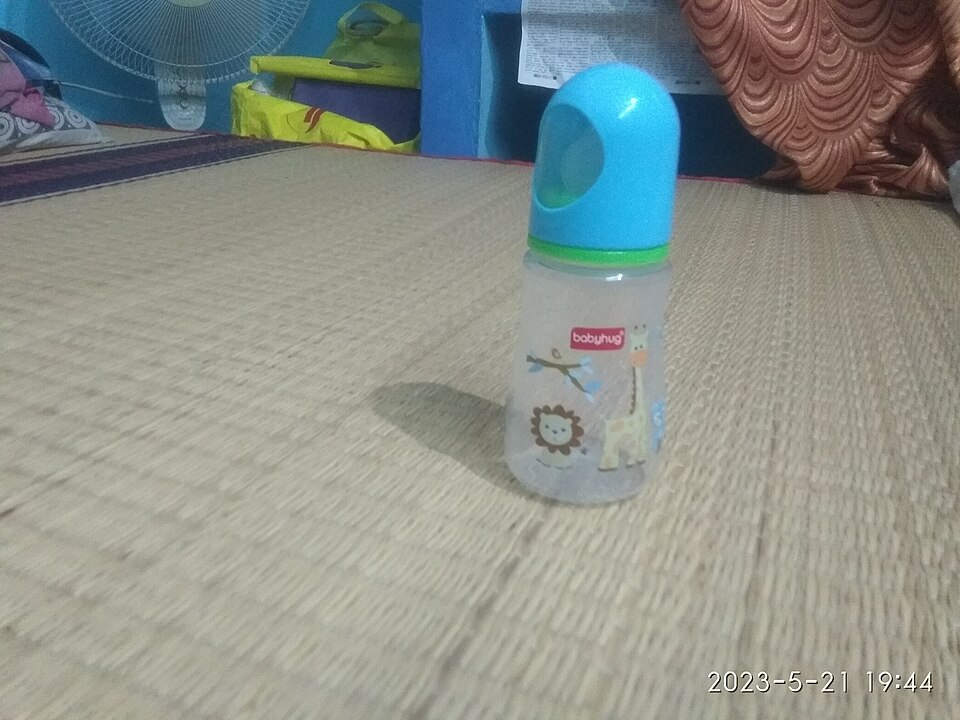

Image details
Illustrative photograph by SAHAYA RAJAN S, Wikimedia Commons. CC0. Image displayed to fit.Advice for babies and children needs its own page because children are not simply smaller adults. Age, feeding and the concentration of a preparation can all change what the instructions mean. Parents should not have to piece together infant feeding advice, an adult supplement label and a social-media claim to work out what is being discussed.
Age and feeding belong in the explanation
UK guidance recommends 8.5 to 10 micrograms daily for breastfed babies under one, and for formula-fed babies drinking less than 500 mL of formula daily. Children aged one to four are advised to have 10 micrograms daily throughout the year. These are prevention recommendations, not treatment doses. Other countries may use different guidance or fortified foods. Liquid products may state an amount per drop or per millilitre. Those units are not interchangeable. Clear measuring instructions and age-appropriate preparations matter more than assuming all bottles sold as vitamin D have similar strengths.
Separate bone health from broader promises
Preventing nutritional rickets is an established reason to pay attention to childhood vitamin D. Claims about infections and other outcomes need their own evidence. A nutrient’s importance for growth should not be used to imply protection against every childhood illness. Childhood vitamin D guidance has a clear nutritional purpose. It should be presented by age, feeding circumstances and country rather than as one universal dose. The clearest advice is specific enough to follow: which age, which preparation and which serving instructions. That clarity is part of good content, not a minor detail.
Sources
NHS. Vitamin D. Accessed 15 November 2026.
Endocrine Society. Vitamin D for the Prevention of Disease. Accessed 15 November 2026.
Related reading
Comprehensive evaluation of the efficacy and safety of different vitamin D combination regimens based on indirect comparisons for children with rickets: a network meta-analysis
Ten randomized controlled trials involving 867 children were included, comparing nine vitamin D: based combination regimens with vitamin D3 monotherapy.
Original paper ↗Read more →Effectiveness of burosumab in children with X-linked hypophosphatemia with low rickets severity: SUNFLOWER analysis
We investigated whether burosumab benefits children with mild disease.
Original paper ↗Read more →Follow-up study of Gambian children with rickets-like bone deformities and elevated plasma FGF23: Possible aetiological factors☆☆☆
35 children were investigated at follow-up (RFU).
Original paper ↗Read more →Intact FGF23 concentration in healthy infants, children, and adolescents, and diagnostic usefulness in patients with X-linked hypophosphatemic rickets
FGF23 measurement may have a diagnostic role to investigate patients with phosphate disorders.
Original paper ↗Read more →Serum 25-hydroxyvitamin D threshold and risk of rickets in young children: a systematic review and individual participant data meta-analysis to inform the development of dietary requirements for vitamin D
The objective of this systematic review was to determine a minimum serum 25-hydroxyvitamin D (25OHD) threshold based on the risk of having rickets in young children.
Original paper ↗Read more →Sources of vitamin D and calcium in the diets of preschool children in the UK and the theoretical effect of food fortification
Dietary intakes of vitamin D are very low in the UK.
Original paper ↗Read more →The impact of vitamin D food fortification and health outcomes in children: a systematic review and meta-regression
We aimed to assess the effectiveness of utilizing vitD fortification in staple foods to improve 25hydroxyvitamin D (25(OH)D) concentration and to reduce the prevalence of vitD deficiency among healthy children.
Original paper ↗Read more →Complementary feeding practices and nutrient intakes of children aged 6 to 24 months from Bangladeshi background living in Tower Hamlets, East London: a feasibility study
The aim of this study was to assess dietary intakes and complementary feeding practices of children aged 6 to 24 months who are from Bangladeshi ancestry and living in Tower Hamlets, London, and determine the feasibility of a larger, population-representative study.
Original paper ↗Read more →Dietary magnesium intake as modifier of the association between vitamin D deficiency and risk of anemia in the US children aged 2 to 14 years: A cross-sectional study
The participants were divided into low and high magnesium intake groups based on a quantile cutoff of.
Original paper ↗Read more →Dietary magnesium intake as modifier of the association between vitamin D deficiency and risk of anemia in the US children aged 2 to 14 years: A cross-sectional study
The participants were divided into low and high magnesium intake groups based on a quantile cutoff of.
Original paper ↗Read more →High prevalence of vitamin D deficiency among children aged 1 month to 16 years in Hangzhou, China
The objective of the present study was to survey the serum levels of 25-hydroxyvitamin D [25(OH)D] in more than 6,000 children aged 1 month to 16 years in Hangzhou (latitude: 30°N), the capital of Zhejiang Province, southeast China.
Original paper ↗Read more →Micronutrient status in children aged 6 to 59 months with severe wasting and/or nutritional edema: implications for nutritional rehabilitation formulations
Undernutrition remains a global struggle and is associated with almost 45% of deaths in children younger than 5 years.
Original paper ↗Read more →Nutrient intakes and iron and vitamin D status differ depending on main milk consumed by UK children aged 12 to 18 months: secondary analysis from the Diet and Nutrition Survey of Infants and Young Children
Milk is a major food for young children and this analysis evaluated the impact of the type of milk consumed on nutrient intakes and nutritional status.
Original paper ↗Read more →Nutritional adequacy of diets containing growing up milks or unfortified cow's milk in Irish children (aged 12 to 24 months)
Growing up milks (GUM) are milk-based drinks with added vitamins and minerals intended for children aged 12 to 36 months.
Original paper ↗Read more →The establishment of serum 25-hydroxyvitamin D reference intervals in children aged 0 to 14 years in Zigong area, China
To establish the reference interval of serum 25-hydroxyvitamin D (25(OH)D) in apparently healthy children in Zigong, China, using an indirect method to provide a basis for proper clinical diagnosis and treatment.
Original paper ↗Read more →Prenatal exposure to vitamin D from fortified margarine and risk of fractures in late childhood: period and cohort results from 222 000 subjects in the D-tect observational study
By means of a nationwide mandatory vitamin D fortification programme, we examined the risk of fractures among 10 to 18-year-old children from proximate birth cohorts born around the date of the termination of the programme.
Original paper ↗Read more →Micronutrient fortification of food and its impact on woman and child health: a systematic review
Vitamins and minerals are essential for growth and metabolism.
Original paper ↗Read more →Calcium Availability and Vitamin D Response in Nutritional Rickets: Full Study
How calcium availability shapes vitamin D response in nutritional rickets: treatment outcomes, absorption, skeletal recovery and the limits of blood targets.
Read more →Calcium Availability and Vitamin D Response in Nutritional Rickets: Study Summary
Understand the calcium and vitamin D rickets trial: who participated, how recovery was measured, the main findings and what they do not establish.
Read more →The impact of a needs-oriented dental prophylaxis program on bacteremia after toothbrushing and systemic inflammation in children, adolescents, and young adults with chronic kidney disease
General prevalence of bacteremia after toothbrushing was 9.5% affecting 7 (26%) of the participants.
Original paper ↗Read more →Vitamin D status in diabetic Moroccan children and adolescents: a case-control study
In this study, we aim to shed the light on the relationship between 25OHD deficiency and T1DM.
Original paper ↗Read more →Original sources
Vitamin D
NHS. Vitamin D. Accessed 15 November 2026.
Publication details
NHS. Vitamin D. Accessed 15 November 2026.
Vitamin D for the Prevention of Disease
Endocrine Society. Vitamin D for the Prevention of Disease.
Publication details
Endocrine Society. Vitamin D for the Prevention of Disease. Accessed 15 November 2026.
Vitamin D for the Prevention of Disease: An Endocrine Society Clinical Practice Guideline
Demay MB et al. 2024.
Publication details
Demay MB et al. 2024. The Journal of clinical endocrinology and metabolism. 109(8):1907-1947. Vitamin D for the Prevention of Disease: An Endocrine Society Clinical Practice Guideline. DOI: 10.1210/clinem/dgae290. PMID: 38828931.