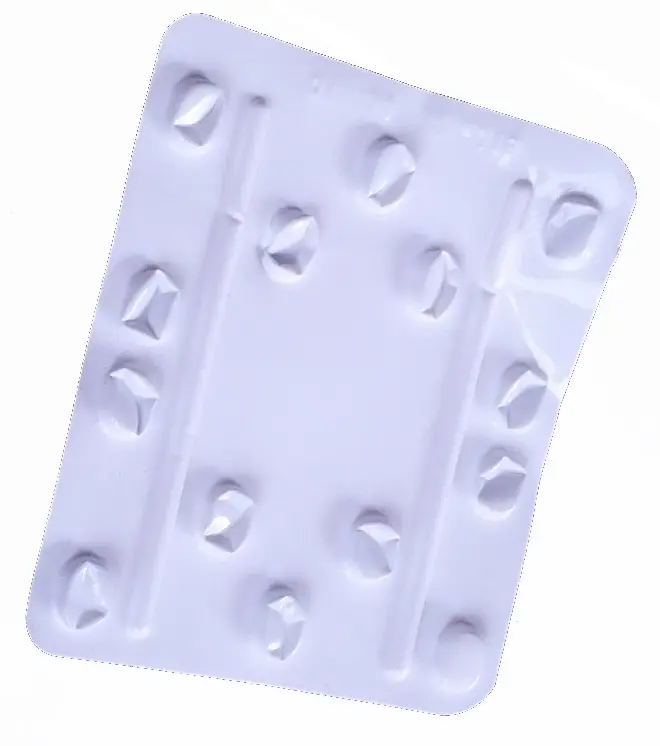

Yes. Vitamin D products can expire. Start with the date on the original packaging and the storage instructions for that product. For prescribed vitamin D, use the patient leaflet that came with it. A fresh-looking capsule or clear liquid cannot tell you whether the product is still within the labelled period.
Look for the letters EXP on the carton, bottle or blister pack. The UK leaflet for one colecalciferol capsule, for example, explains that its printed expiry refers to the last day of the month shown. Check the wording on your own pack, especially if part of the date is hard to read.
Do vitamin D drops expire sooner once opened?
Some liquids have a separate limit that starts on the day you open them. One UK colecalciferol oral solution lists both a printed expiry and a 60-day period after opening. For a product with both dates, the earlier limit matters. Find the after-opening instruction for the exact bottle you have.
Keep the carton or leaflet where you can refer to the storage instructions. If your drops have an after-opening limit, write the date you opened the bottle on the label without covering the printed expiry. If you cannot establish the date or how it was stored, take the pack to a pharmacist so they can help you check it.