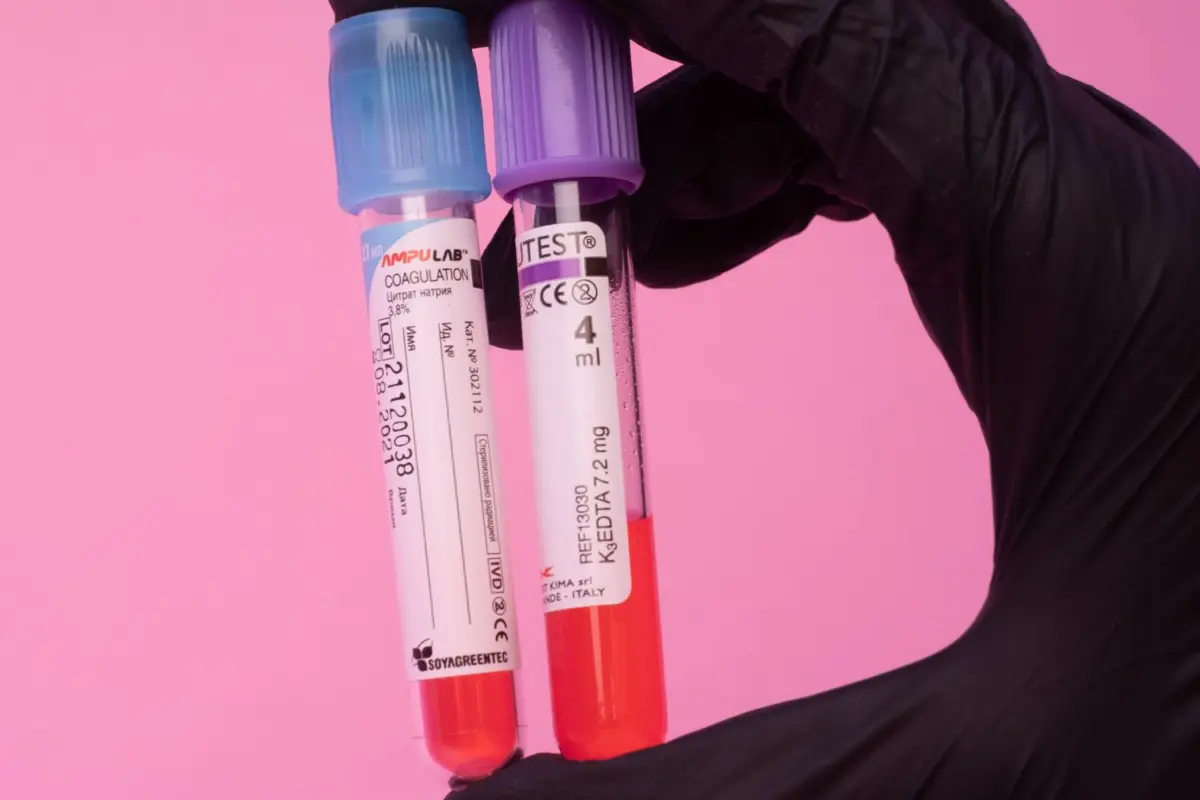
The blood test usually measures 25-hydroxyvitamin D, written as 25(OH)D. It helps your care team assess your vitamin D status. A result below the range they are aiming for can prompt a review of your supplements and a decision about when to repeat the test. Your team interprets the number alongside the type of operation and the stage of your follow-up.
Why do bariatric teams look at calcium alongside vitamin D?
UK guidance from the British Obesity and Metabolic Surgery Society includes vitamin D and corrected calcium in routine monitoring after common bariatric operations. Looking at both gives the team more context on calcium and bone health. It can also help them decide what they want to check next.
What should I bring to my follow-up?
If you have them, bring earlier results and the names and strengths of your supplements, including any multivitamin. Tell the team if you have changed products, missed doses or had trouble taking them. That makes it easier to discuss whether the result has changed and what could explain the change.
Ask your bariatric team or GP when your next blood test is due and who will review the result. The UK society’s guidance recommends ongoing annual nutritional monitoring once care moves to your GP. The team can use your operation and current results to decide whether you need an earlier follow-up.