
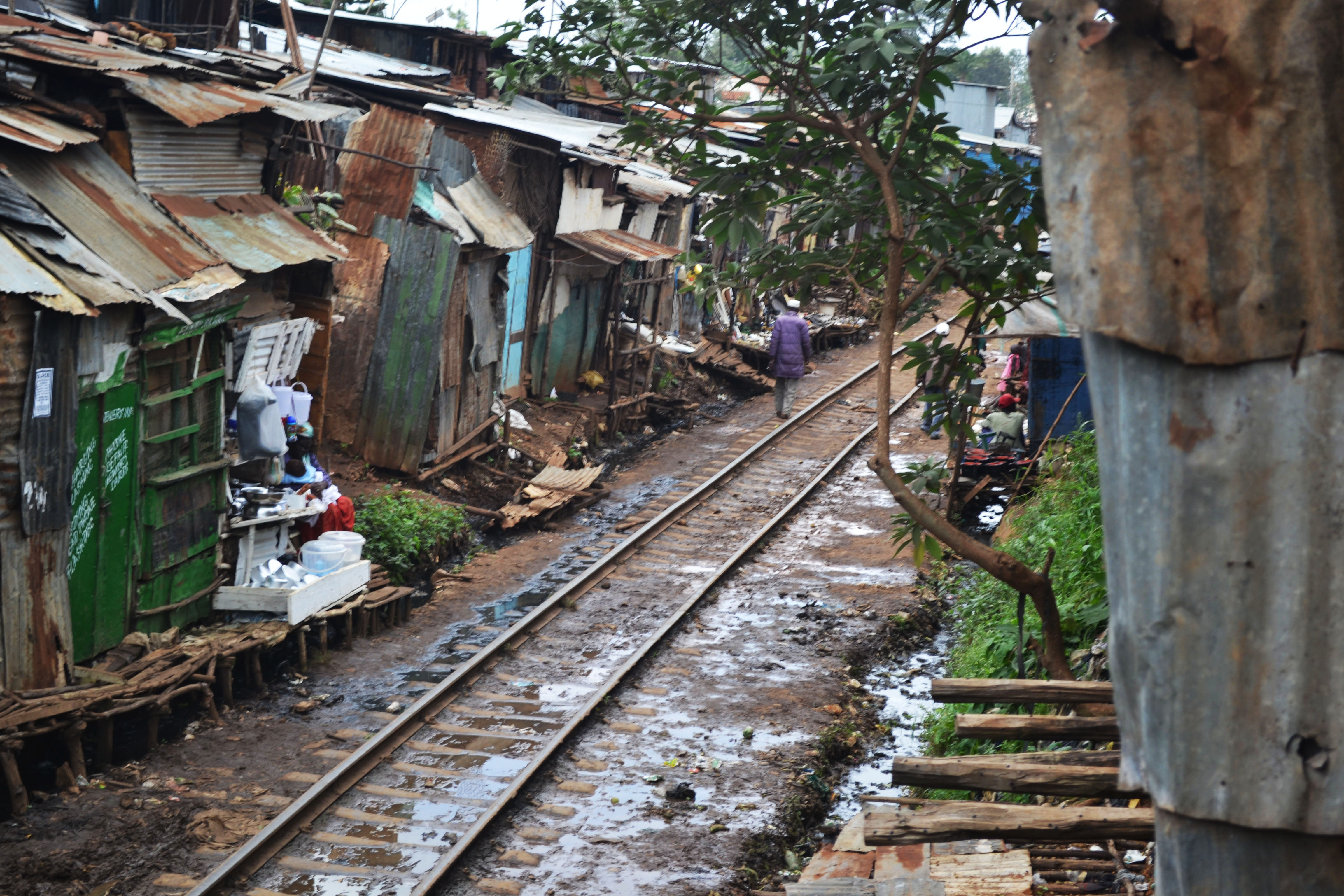
In 2014, Edwards and colleagues reported what two Médecins Sans Frontières clinics in Kibera, Nairobi, could learn from following children treated for rickets. Between September 2012 and October 2013, 49 of the 82 children who met the clinical case definition completed the six-week course. The records identified the 33 who missed follow-up, but could not tell the researchers why each child stopped attending or what happened afterwards.
The two services were Kibera South Health Centre and Silanga Clinic. Staff had seen 125 children with suspected rickets, but only 82 met the study definition: they were under five and had either widening at the wrists or beading at the ribs. Most were younger than 18 months, so the team adjusted criteria that had been developed for older children. Diagnosis was based on clinical examination rather than routine X-rays or biochemical confirmation.
Treatment at the time consisted of four clinic visits over six weeks with vitamin D and calcium. Among the children who remained in follow-up, clinicians recorded improvement in 65%, meaning they saw signs such as less joint pain or weakness, or progress in motor development. That was a clinical impression, not a standard numerical measure of recovery.
Thirty-three of the 82 children did not complete all four visits. In the paper, that meant an absence from the programme, not an established outcome, and the children’s later health was unknown from these records. The authors suggested that movement between Kibera and homes elsewhere could have contributed to missed visits, but they did not assign reasons to individual families. Could records from different clinics show which children continued care elsewhere and how they recovered?
Commentary
Why were only 82 of 125 children included?
The 125 were suspected cases. The 82 were the children who satisfied the clinical case definition, and the other 43 were outside this review. Their later diagnoses were not assigned in the study. Preventable but neglected: rickets in an informal settlement, Nairobi, Kenya How to Read Vitamin D Studies During Pregnancy
Did finishing treatment mean the child’s rickets had healed?
Finishing meant attending four visits over six weeks. The Kibera team had no formal test for healing. A separate treatment study defined recovery by combining measurements, so a child had to meet the study’s criteria to count as recovered. In Kibera, the visit total tells us who returned, while the question of healing remains open. Preventable but neglected: rickets in an informal settlement, Nairobi, Kenya Vitamin D treatment in calcium-deficiency rickets: a randomised controlled trial Calcium Availability and Vitamin D Response in Nutritional Rickets: Full Study
What did clinicians mean by improvement?
A clinician might record that a child had less joint pain, seemed stronger or was making progress with movement. The Kibera team recorded that judgement without a numerical score. In a separate Nigerian treatment trial, Thacher and colleagues used both a blood measurement and an X-ray score to assess recovery. That measure answers a different question from whether a clinician saw a child feeling or moving better. Preventable but neglected: rickets in an informal settlement, Nairobi, Kenya Vitamin D treatment in calcium-deficiency rickets: a randomised controlled trial Calcium Availability and Vitamin D Response in Nutritional Rickets: Full Study
Did 65% of the whole group improve?
No. The 65% figure applies to the children still being observed. Because 33 of the 82 did not complete follow-up, the paper does not provide an overall improvement rate for the whole group. Preventable but neglected: rickets in an informal settlement, Nairobi, Kenya How to Read Vitamin D Studies During Pregnancy
Why did some families stop returning?
The authors suggested that some families might have moved between Kibera and homes elsewhere. An attendance record can show when a child last came to one of the clinics. It cannot tell us why that individual child stopped coming, whether the family continued care elsewhere or whether the child recovered. Preventable but neglected: rickets in an informal settlement, Nairobi, Kenya How to Read Vitamin D Studies During Pregnancy
How did the team know how much sunlight children received?
Families of 51 children provided the information. Of those, 36 reported three hours a week or less, including 27 of 33 boys and 9 of 18 girls. These were reported hours, not direct measurements of exposure to ultraviolet B (UVB) radiation or vitamin D concentration. Preventable but neglected: rickets in an informal settlement, Nairobi, Kenya Seasonal Mismatch in Modern Vitamin D Exposure
Why are there two percentages for malnutrition?
Of the 77 children with these measurements, 22 (29%) fell in the two lowest weight-for-height bands. For the same group, 30 (39%) had a mid-upper arm circumference below 125 mm. A child could count under both measures, so adding the percentages would not tell us how many individual children met either threshold. Preventable but neglected: rickets in an informal settlement, Nairobi, Kenya How to Read Vitamin D Studies During Pregnancy
Did missed developmental milestones identify every child with rickets?
No. The researchers used wrist widening or beading at the ribs to define the rickets cases in this review. They separately recorded whether children could sit, stand or walk at particular ages. They found gross motor delay in 44% of the children and said their milestone criteria might have classified too many children as delayed. They had no group of healthy children for comparison. Preventable but neglected: rickets in an informal settlement, Nairobi, Kenya How to Read Vitamin D Studies During Pregnancy
Does the number of cases show how common rickets was across Kibera?
Two nearby villages accounted for 44% of cases recorded at the two clinics. That tells us where many of the children who reached those clinics lived. Distance, where families sought care and which cases clinicians recognised could all affect the count. Without screening the wider community or tracking new cases across it, the records cannot tell us how common rickets was across Kibera or how many children newly developed it. Preventable but neglected: rickets in an informal settlement, Nairobi, Kenya How to Read Vitamin D Studies During Pregnancy