
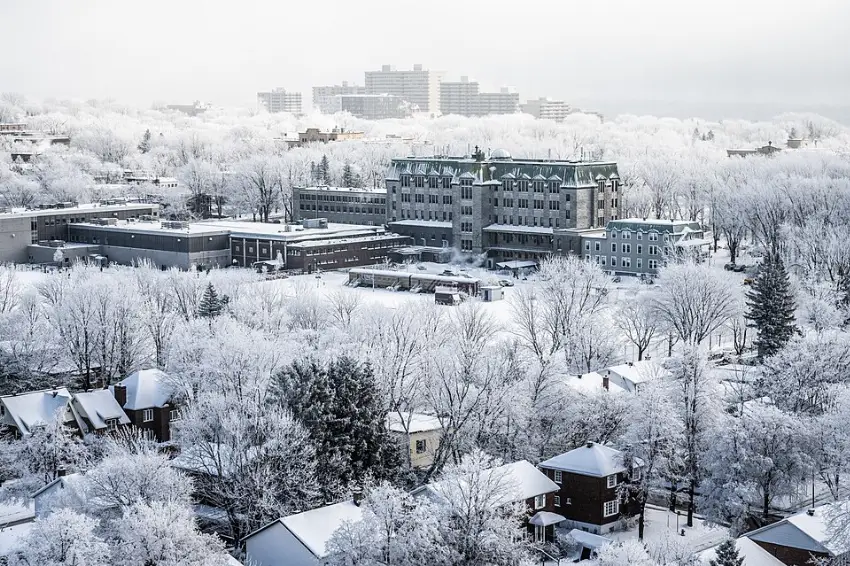
Yes. Living in a city can change how much vitamin D you make from sunlight because city life often means less UVB exposure during the day. The source says indoor work patterns can significantly reduce UVB exposure, especially in winter, so modern living can amplify the effect of latitude on vitamin D status.
Latitude still matters first. As you move farther from the equator, UVB intensity falls and the sun sits lower in the sky. That means fewer months and fewer hours of the day when skin can make vitamin D, and in high-latitude winters the skin may make almost none even on sunny days.
City life adds another layer on top of latitude. The source points to clothing practices, work environments, transport, and leisure habits as reasons people in the same region can have very different exposure. It also notes that persistent cloud cover, air pollution, and extreme weather can limit time outdoors, so two cities at the same latitude may not give the same sunlight exposure.
There is also a personal difference to keep in mind. Darker skin generally needs more UVB for the same vitamin D production, and people in the same city can still end up with different levels because of age, diet, obesity, supplements, outdoor time, sunscreen use, and health conditions. So the city itself is only part of the picture, but it can make the sunlight route less reliable.
Commentary
Why do people in northern countries often have lower vitamin D levels?
Because northern latitudes receive less UVB, especially in winter, so there is less opportunity for the skin to make vitamin D.
Can vitamin D be made in winter at high latitudes?
In many high-latitude regions winter UVB is too weak for meaningful vitamin D synthesis, even on clear sunny days.
Does latitude matter if I mostly live and work indoors?
Yes. Indoor lifestyles compound latitude effects by further limiting UVB exposure during daylight hours.
Do sunny holidays increase vitamin D levels?
Yes. Short periods of high-UVB exposure can temporarily raise vitamin D levels, although they gradually decline again afterward.
Can diet fully compensate for high-latitude living?
Diet and supplements help, but typical diets rarely replace the amount normally made in the skin from sunlight.