
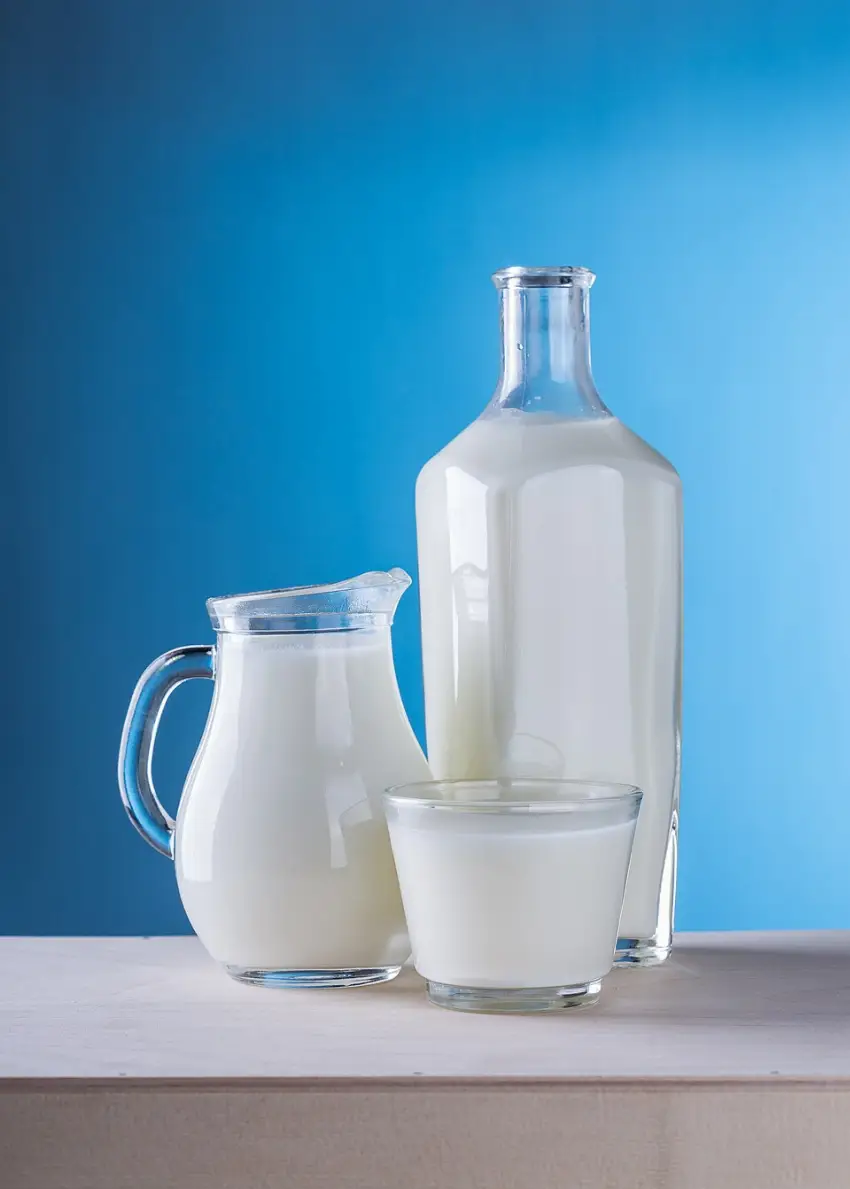
If you are checking a carton of milk in the UK, the short answer is that ordinary cows’ milk usually has no vitamin D added. Some milk does contain added vitamin D, but that is the fortified version rather than the standard product.
That matters because fortification is not the same for every country or every product. A milk drink sold as fortified may include vitamin D, while ordinary UK cows’ milk generally does not.
A simple label check is the easiest way to tell the difference. If you see vitamin D listed in the ingredients or nutrition table, the product has been fortified; if it is just ordinary UK cows’ milk, do not assume vitamin D has been added.
A quick comparison helps. One plain litre of supermarket British milk is usually unfortified, while a fortified milk alternative or fortified dairy drink may show vitamin D on the pack. The label, not the category name, is what tells you whether vitamin D is included.
Commentary
Is ordinary UK cows’ milk usually fortified with vitamin D?
No. The supplied source says ordinary UK cows’ milk generally has no added vitamin D.
Does every milk product with vitamin D added say it is fortified?
The source says fortified milk is the category to look for, and that the label should be checked when comparing products. It does not say every package uses the same wording, so the nutrition label is the safer guide.
Does this apply to milk in other countries too?
No. Fortification practices differ by country and product, and the source says fortified milk is common in some countries. That means the UK pattern is not automatically the same everywhere.
What should I check on the pack if I want to know whether vitamin D is present?
Check the individual product label. The source says that is the practical way to compare ordinary milk with fortified options.