
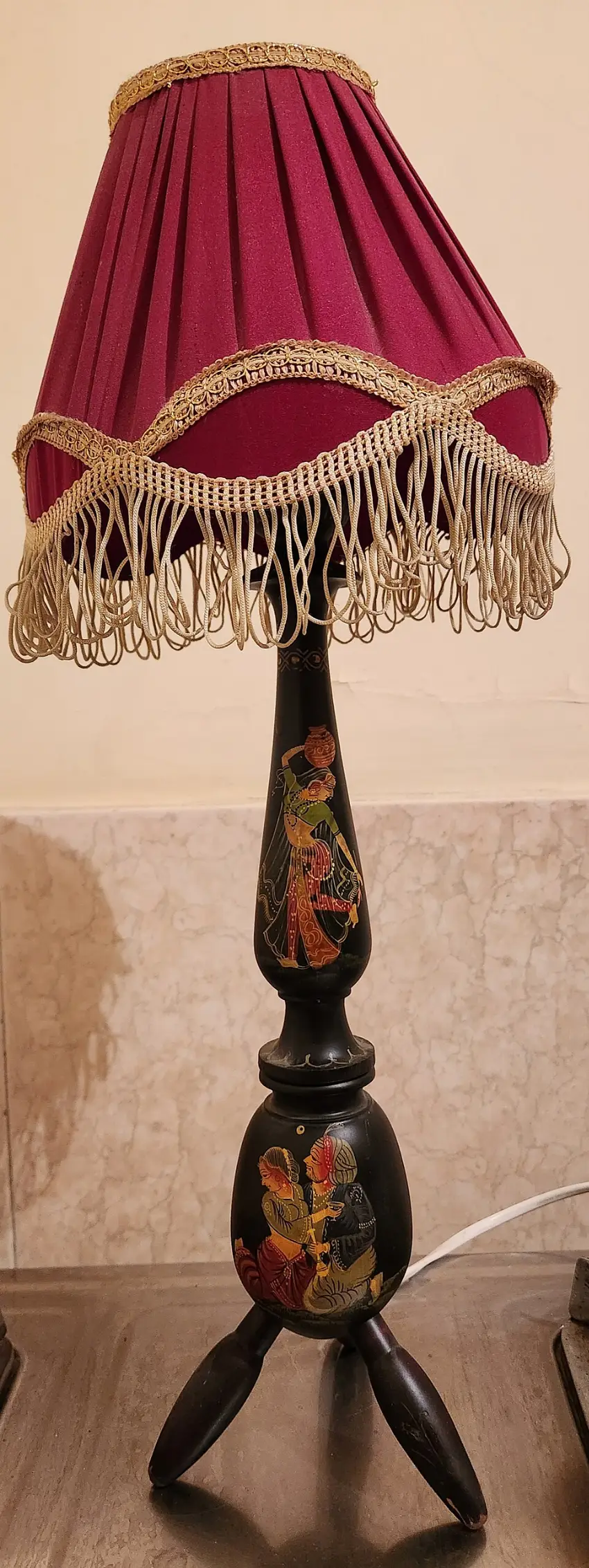

A bright lamp is not automatically a vitamin D lamp. The first thing to check is not how intense the light looks, but whether it emits ultraviolet B, usually shortened to UVB. UVB is the part of ultraviolet light that can stimulate vitamin D production in the skin, while ordinary room lighting is made for seeing, not for delivering ultraviolet radiation.
That distinction matters because a lamp made to light a room is different from a device made to give UVB exposure. Brightness can be very high in visible light and still tell you nothing about UVB. In other words, a lamp can seem impressive in a room and still have no relevant effect on vitamin D production.
The source also points to a common example: a light box for seasonal depression. These light boxes normally provide bright visible light and filter out ultraviolet light, so they are built for a different purpose from UVB exposure and should not be counted as a way to get vitamin D.
A second example is a tanning bed. Some tanning devices do emit UVB, but the source says they increase skin cancer risk and are not recommended as a vitamin D source in UK public health guidance. So visible brightness, a light box and a tanning device are not interchangeable just because they all use lamps.
Commentary
What did researchers compare when they tested UVB on people?
They compared UVB doses under controlled conditions and took participants’ starting vitamin D levels into account. That matters because it shows the study was measuring a controlled exposure, not testing every kind of home lamp.
Does a light box for seasonal depression count as a vitamin D source?
No. A light box for seasonal depression normally gives bright visible light and filters out ultraviolet light, so it is not the same thing as UVB exposure and should not be treated as a way to get vitamin D.
Are tanning beds the same thing as vitamin D lamps?
No. Some tanning beds emit UVB, but the source says they increase skin cancer risk and are not recommended as a vitamin D source in UK public health guidance.
Does a controlled UVB study prove that any home lamp will work the same way?
No. A result from controlled UVB exposure does not show what any particular lamp sold for home use will do, because the study was done under controlled conditions rather than with an ordinary room lamp.