Food and sunlight can help maintain vitamin D levels. If you have a confirmed deficiency, especially a severe one, your clinician may recommend a prescribed vitamin D course. Whether everyday sources will make enough difference depends on your starting level and why it became low.
What can food contribute?
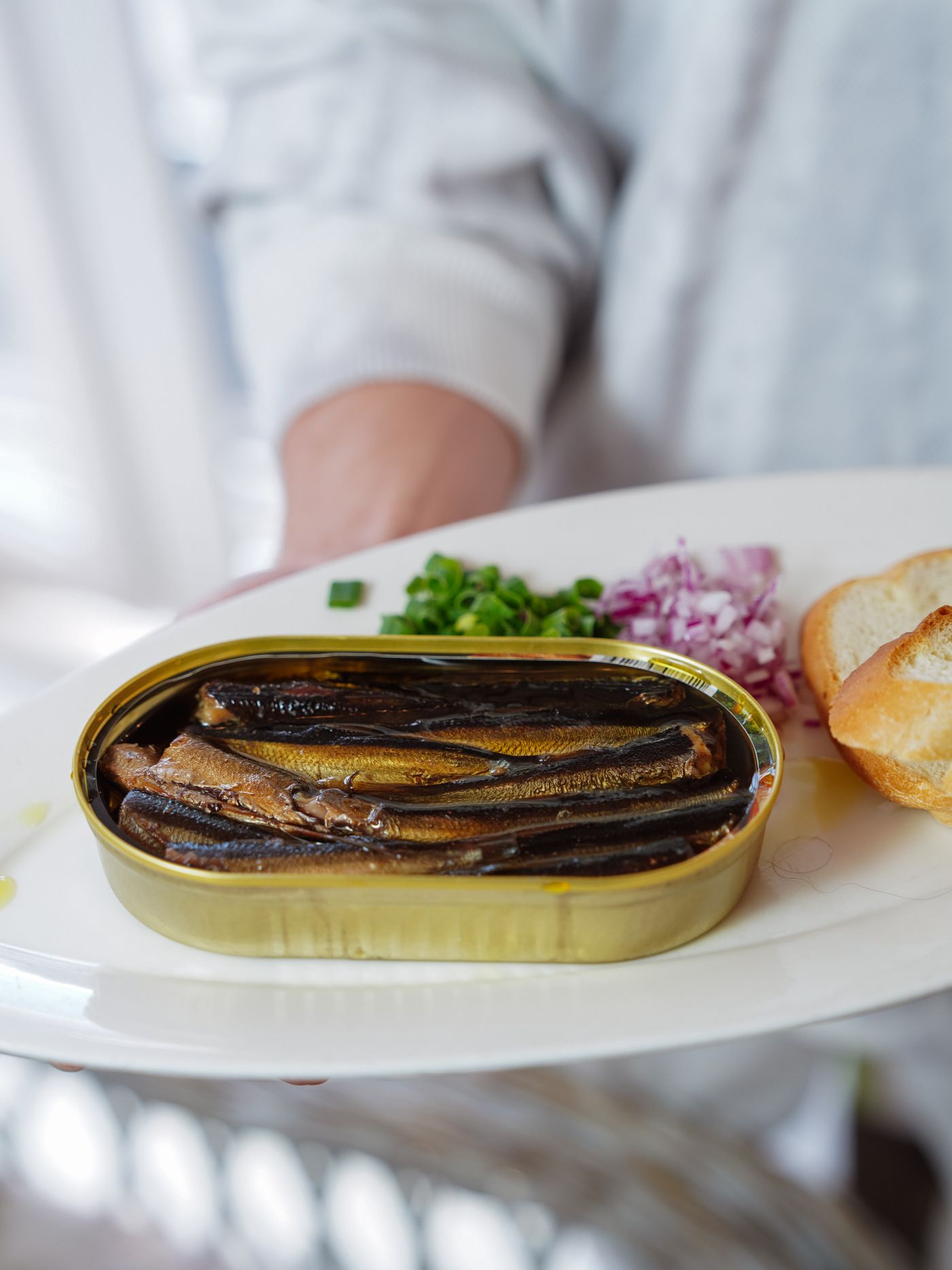
Oily fish such as salmon, sardines and mackerel, egg yolks and some fortified foods provide vitamin D. Check the label for fortified products, as amounts vary. Regular food sources can contribute to your intake over time, which is useful when planning how to maintain your level.
What can sunlight contribute?
Your skin can make vitamin D when exposed to sunlight outdoors. The NHS says that sunlight in the UK is generally too weak for this between October and early March. Time outdoors and how much skin is covered also affect the contribution. Avoid sunburn and use sun protection when needed.
Why does a confirmed deficiency change the decision?
A blood test and the reason your level was low help guide the next step. For severe deficiency, the NHS describes a prescribed course of higher-strength vitamin D, followed by a maintenance dose when needed. Food and time outdoors can still be useful parts of a longer-term plan alongside the treatment your clinician recommends.