

Yes. Fabric can make a difference to how much ultraviolet B, or UVB, reaches your skin because different materials let different amounts of UVB pass through. That matters because vitamin D is made in the skin when UVB reaches it.
Coverage matters too. The more skin a garment covers, the less skin is directly exposed to UVB. A long-sleeved shirt and full-length trousers leave less skin open to the sun than a T-shirt and shorts, so the covered areas have less opportunity to make vitamin D at that moment.
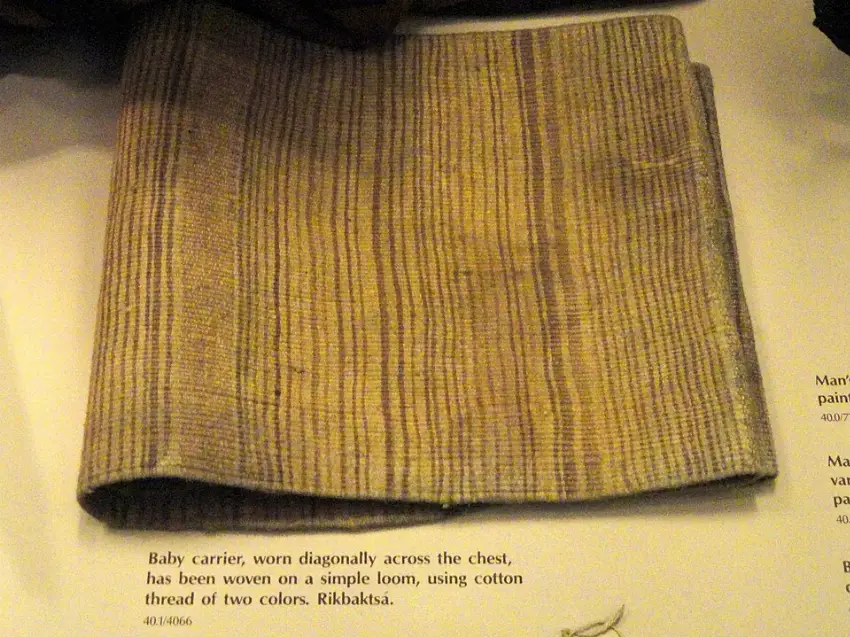
Weave and colour also affect transmission. Looser weaves generally let more UVB through than tighter weaves, and lighter colours generally let more through than darker colours. These are general tendencies, not a way to predict how much UVB a particular garment lets through.
Clothing choices often go with other sun-avoidance habits. People who wear more covering clothing may also seek shade or spend less time outdoors around midday, so the effect can build over weeks and months rather than showing only at one moment. In sunny climates, layered clothing can still reduce skin exposure even when the weather feels warm, because the amount of skin exposed and the amount of UVB that passes through fabric both matter.
Commentary
What about clothing made to block UV?
Specialised UV-protective clothing is designed to block UV specifically. The available evidence does not give a garment-specific performance figure for any one item, so it shows the intended function rather than a single guaranteed number.
Does covering up stop all vitamin D production in the skin?
No. Clothing that covers most skin substantially reduces UVB exposure and lowers the skin’s capacity to produce vitamin D, but the source does not say production stops completely.
Why can the same outfit mean different UVB exposure on different days?
Because clothing is only one part of the picture. The same outfit can lead to different UVB exposure depending on how long someone is outdoors, how much shade they use and what season it is, so exposure can add up differently across days and months.
Why can it be useful for clothing to block UV?
It helps reduce ultraviolet damage to the skin, especially in high-UV settings or for sensitive skin types. The source says the balance between skin protection and vitamin D opportunity varies by person and context, so the protective benefit is real even though the best balance is not the same for everyone.
Why can sunny climates still mean lower UVB exposure with clothing?
Because warm or sunny weather does not remove the effect of coverage. Even in sunny regions, clothing that covers more skin can still limit how much UVB reaches the skin, so people can have lower UVB exposure despite living in bright climates.