Key Stories
Daily versus Intermittent Vitamin D
A weekly dose can look dramatically larger than a daily dose on the label. That does not necessarily mean the weekly course provides more overall, but equal totals do not settle every question either.
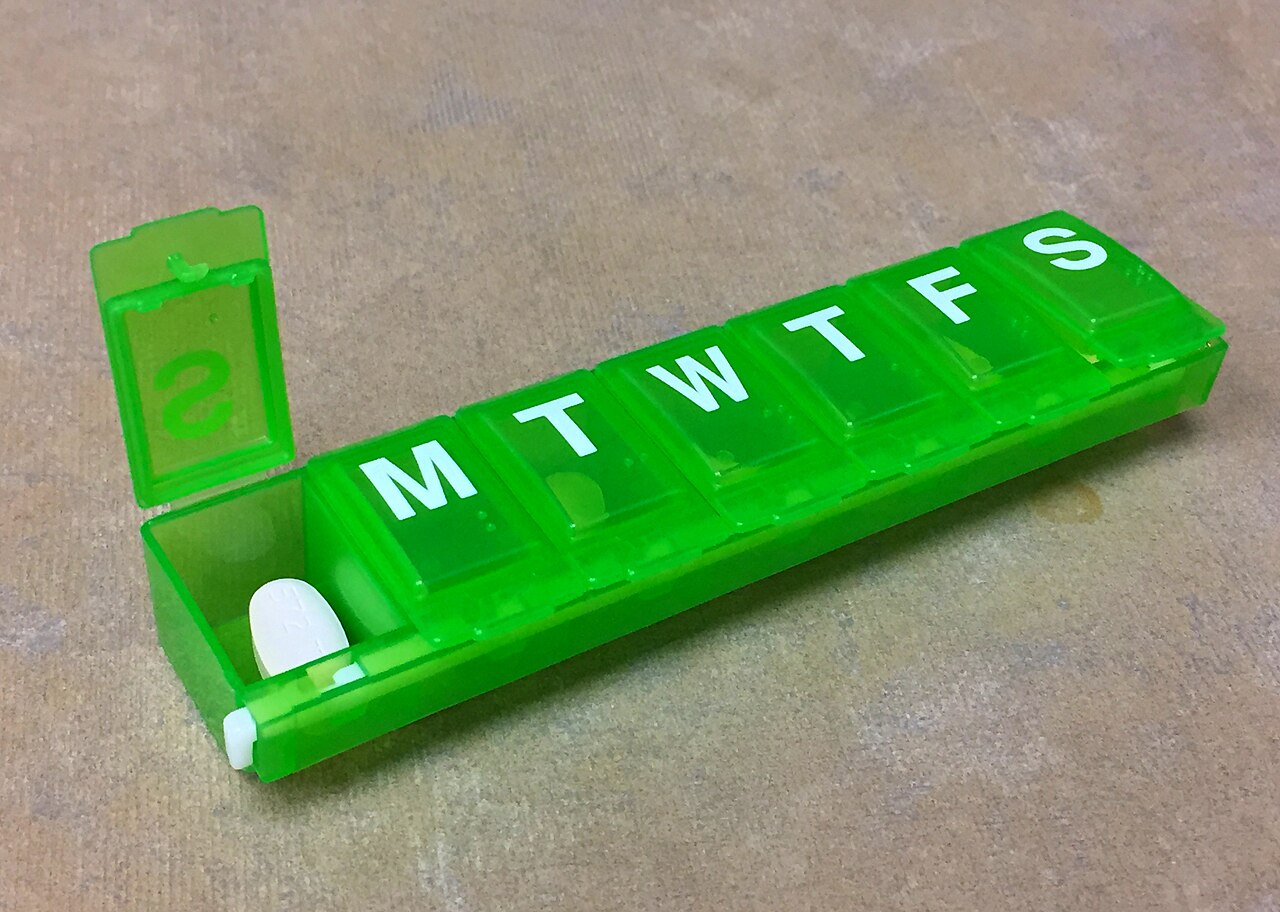

A weekly dose can look dramatically larger than a daily dose on the label. That does not necessarily mean the weekly course provides more overall, but equal totals do not settle every question either. The spacing between doses can affect the pattern of exposure. We need to distinguish a practical dosing schedule from an assumption that any schedule producing the same arithmetic total must have the same effects.
What direct comparisons can show
One randomised trial compared daily, weekly and monthly regimens with similar overall amounts and found comparable effects on vitamin D status over the study period. That supports those particular comparisons. It does not validate every possible dose or interval. An annual high-dose trial in older women found more falls and fractures in the vitamin D group. It would be wrong to ignore that finding, or to treat it as evidence that all daily or weekly supplementation has the same effect.
Convenience belongs in the decision
Remembering a dose is a real consideration. So are the preparation, prescribing instructions and reason for treatment. A weekly course should be understood as a weekly course, not taken daily because the bottle looks familiar. Schedule matters alongside total amount. Evidence for one daily, weekly or monthly regimen cannot simply be carried over to a much larger bolus. Read dosing frequency as carefully as dose size. The right comparison includes the interval, population and outcome, not just the total number of IU.
Related reading
Bone Mineralisation, Turnover and Fractures Measure Different Outcomes
Understand what bone mineralisation, resorption markers and fractures measure, using vitamin D experiments and the VITAL trial as distinct examples.
Read more →How to Interpret Vitamin D, Muscle Strength and Falls
A guide to reading muscle mechanisms, performance tests and fall trials without confusing receptor biology with supplement efficacy.
Read more →Vitamin D and Bone: Mineralisation, Cell Signalling and Fractures: Full Study
Compare bone mineralisation and cell-signalling experiments with VITAL fracture results, keeping doses, models and clinical limits distinct.
Read more →Vitamin D and Bone: Mineralisation, Cell Signalling and Fractures: Study Summary
A short summary of vitamin D bone-cell and mineral-regulation studies alongside the VITAL fracture trial and its population limits.
Read more →Vitamin D, Physical Performance and Falls: Full Evidence Review
D-Vitaal and D-Health tested physical performance and falls.
Read more →Vitamin D, Physical Performance and Falls: Study Summary
Summary of D-Vitaal and D-Health findings on physical performance and falls, including population differences, null results and subgroup uncertainty.
Read more →Vitamin D and Bone
Learn how vitamin D supports bone through calcium and phosphate regulation, tissue repair, muscle: bone interaction, kidney signalling, and long-term skeletal resilience.
Read more →Key Stories
Explore vitamin D stories about everyday questions, supplements and health research.
Read more →What Vitamin D Levels Represent
Vitamin D blood levels reflect context, regulation, and physiology rather than simple sufficiency.
Read more →Vitamin D: What It Is
Learn what vitamin D is, how it functions as a regulatory molecule, and why activation, signalling, and biological context matter more than simple measurements.
Read more →Original sources
Randomized clinical trial to comparing efficacy of daily, weekly and monthly administration of vitamin D3
Takács I et al. 2017.
Publication details
Takács I et al. 2017. Endocrine. 55(1):60-65. Randomized clinical trial to comparing efficacy of daily, weekly and monthly administration of vitamin D3. DOI: 10.1007/s12020-016-1137-9. PMID: 27718150.
Annual high-dose oral vitamin D and falls and fractures in older women: a randomized controlled trial
Published in DOI: 10.1001/jama (2010).
Publication details
Sanders KM et al. 2010. JAMA. 303(18):1815-1822. Annual high-dose oral vitamin D and falls and fractures in older women: a randomized controlled trial. DOI: 10.1001/jama.2010.594. PMID: 20460620.