Key Stories
Vegan Sources of Vitamin D
A vegan diet does not make the vitamin D question disappear, but it changes which foods and preparations fit. The most useful information is specific: where did the ingredient come from, and what else is in the product?
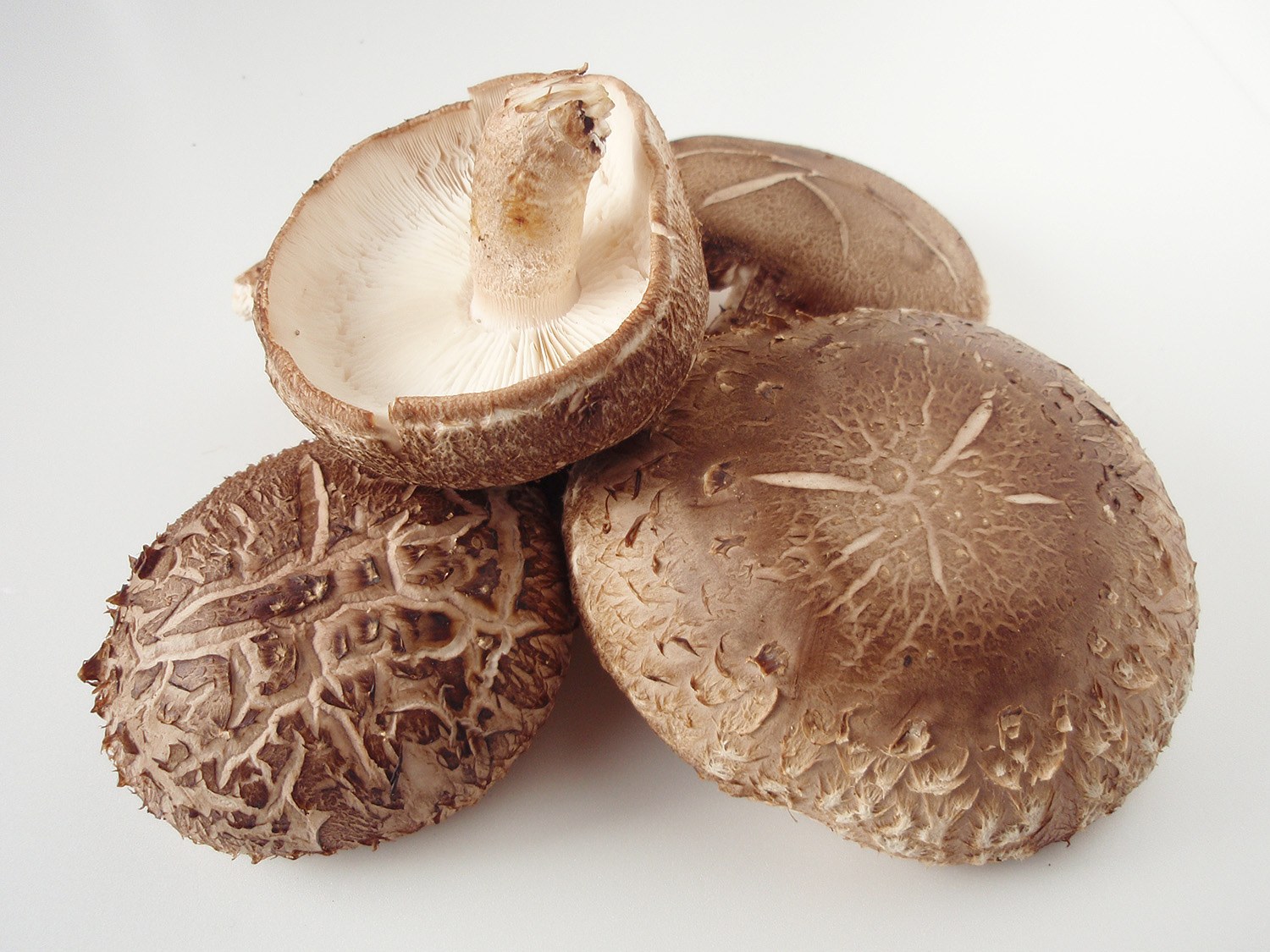

Image details
Illustrative photograph by Batholith (talk). Public domain. Cropped to fit.A vegan diet does not make the vitamin D question disappear, but it changes which foods and preparations fit. The most useful information is specific: where did the ingredient come from, and what else is in the product? A D3 label alone does not answer that. Nor does a plant-based image on the front of a bottle.
Check the source and the whole product
Vegan options include vitamin D2 and D3 made from lichen. Mushrooms can supply D2, with amounts affected by ultraviolet exposure. D3 can also come from animal sources, so the name alone is not enough. Check the capsule shell and other ingredients as well as the vitamin’s origin. Plant drinks, cereals and other foods may have vitamin D added, but amounts and forms vary. The actual label is the useful reference. One brand’s formulation should not stand in for every product in that category.
Keep evidence separate from suitability
A preparation can fit a vegan diet without having been tested for a particular health claim. Equally, dietary suitability is a perfectly legitimate reason to choose it. Those are different questions, and a good comparison should make both easy to answer. Vegan suitability depends on ingredient sourcing and the complete formulation. Vitamin form, labelled amount and product quality still need their own checks. Look for information that can be traced back to the label and manufacturer. A usable choice should meet dietary preferences without leaving basic questions about its contents unanswered.
Sources
National Institutes of Health, Office of Dietary Supplements. Vitamin D: Health Professional Fact Sheet. Accessed 15 November 2026.
National Institutes of Health, Dietary Supplement Label Database. NIH Dietary Supplement Label Database. Accessed 15 November 2026.
Related reading
Efficacy of vitamin D2 in maintaining serum total vitamin D concentrations and bone mineralisation in adult dogs fed a plant-based (vegan) diet in a 3-month randomised trial
Dogs are considered omnivores based on their evolution consuming diets including animal tissue.
Original paper ↗Read more →Key Stories
Explore vitamin D stories about everyday questions, supplements and health research.
Read more →Food sources of macro: and micronutrients in young children and adults following vegan, vegetarian, and omnivorous diets
We examined the main food sources of macro: and micronutrients in Finnish children and their caregivers following vegan (VGN), vegetarian or pesco-vegetarian (VGT), and omnivorous (OMN) diets.
Original paper ↗Read more →Vitamin D: What It Is
Learn what vitamin D is, how it functions as a regulatory molecule, and why activation, signalling, and biological context matter more than simple measurements.
Read more →Original sources
Vitamin D: Health Professional Fact Sheet
National Institutes of Health, Office of Dietary Supplements.
Publication details
National Institutes of Health, Office of Dietary Supplements. Vitamin D: Health Professional Fact Sheet. Accessed 15 November 2026.
NIH Dietary Supplement Label Database
National Institutes of Health, Dietary Supplement Label Database.
Publication details
National Institutes of Health, Dietary Supplement Label Database. NIH Dietary Supplement Label Database. Accessed 15 November 2026.
Sources of vitamin D for humans
Benedik E. 2022. International journal for vitamin and nutrition research.
Publication details
Benedik E. 2022. International journal for vitamin and nutrition research. Internationale Zeitschrift fur Vitamin: und Ernahrungsforschung. Journal international de vitaminologie et de nutrition. 92(2):118-125. Sources of vitamin D for humans. DOI: 10.1024/0300-9831/a000733. PMID: 34658250.