Key Stories
How Long Does Vitamin D Correction Take?
Once someone starts correcting a low vitamin D level, it is natural to want a date when they will feel better. Unfortunately, a blood measurement and a person’s experience do not always move to the same timetable.
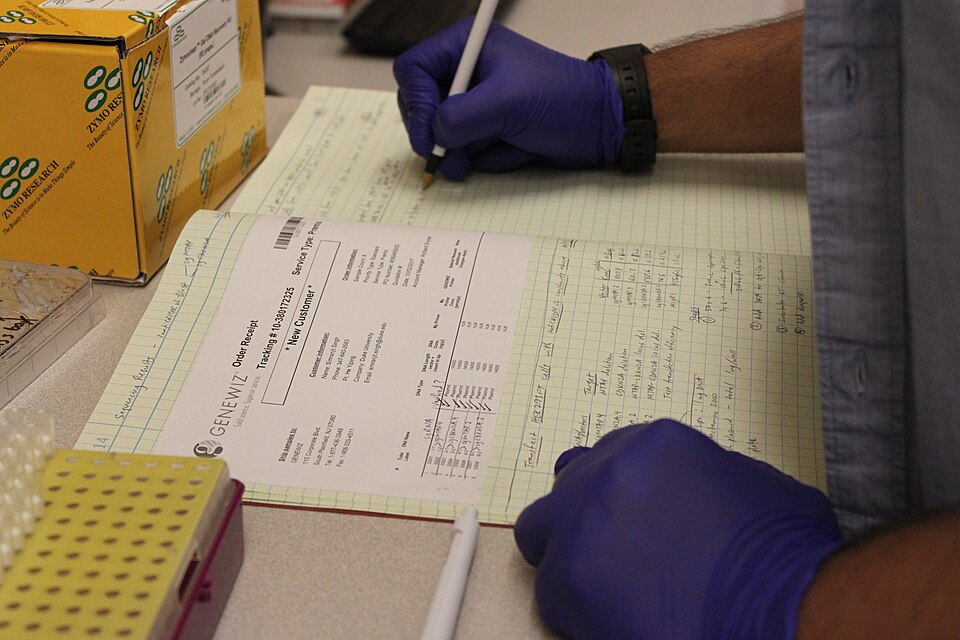

Image details
Illustrative photograph by Katherine Stember, Wikimedia Commons. CC BY 4.0. Image displayed to fit.Once someone starts correcting a low vitamin D level, it is natural to want a date when they will feel better. Unfortunately, a blood measurement and a person’s experience do not always move to the same timetable. That does not make either one unimportant. It means we should be clear about which change we are waiting for.
Ask what is changing
For adults prescribed a loading course for severe deficiency, NHS guidance describes a usual course lasting 6 to 10 weeks. That is the length of treatment, rather than a promise that every symptom will disappear by then. In a three-month trial involving 64 deficient adults, daily, weekly and monthly regimens with similar overall amounts all raised blood levels above the study’s 20 ng/mL threshold. That threshold was the trial’s measure of response, not a universal target for every person or condition. People begin with different levels and receive different preparations and regimens. Regular use and absorption can also affect response. An account of another person’s recovery is therefore a poor basis for promising a deadline.
Do not let waiting replace explanation
If tiredness or pain has another cause, a vitamin D course may not resolve it. Persistent symptoms should not automatically be explained as a need to wait longer or take more. A change in the blood result is one part of checking the original explanation. There is no reliable universal countdown from the first dose to symptom recovery. Blood-level response and improvement in symptoms need separate assessment. A useful timescale is one attached to a defined treatment and follow-up plan. It should explain what will be checked, rather than promise that everyone will feel different by a particular week.
Sources
NHS. How and when to take colecalciferol. Accessed 15 November 2026.
Related reading
Key Stories
Explore vitamin D stories about everyday questions, supplements and health research.
Read more →Vitamin D Deficiency Definitions
Explains how vitamin D deficiency is defined, why thresholds vary, and how measurement, homeostasis, and functional context shape what deficiency actually means.
Read more →What Vitamin D Levels Represent
Vitamin D blood levels reflect context, regulation, and physiology rather than simple sufficiency.
Read more →How long does it take to correct low vitamin D?
The different timelines for a vitamin D prescription, changes in a blood test and feeling better.
Read more →How long does vitamin D take to work?
A blood marker can change within hours of taking vitamin D, as the small study tracked over 48 hours.
Read more →Vitamin D: What It Is
Learn what vitamin D is, how it functions as a regulatory molecule, and why activation, signalling, and biological context matter more than simple measurements.
Read more →Original sources
How and when to take colecalciferol
NHS. How and when to take colecalciferol.
Publication details
NHS. How and when to take colecalciferol. Accessed 15 November 2026.
Randomized clinical trial to comparing efficacy of daily, weekly and monthly administration of vitamin D3
Takács I et al. 2017.
Publication details
Takács I et al. 2017. Endocrine. 55(1):60-65. Randomized clinical trial to comparing efficacy of daily, weekly and monthly administration of vitamin D3. DOI: 10.1007/s12020-016-1137-9. PMID: 27718150.