Key Stories
Vitamin D Injections
An injection can sound more decisive than a tablet. It is easy to imagine that bypassing the gut must make treatment stronger or more effective. That impression needs to be checked against the actual comparison.
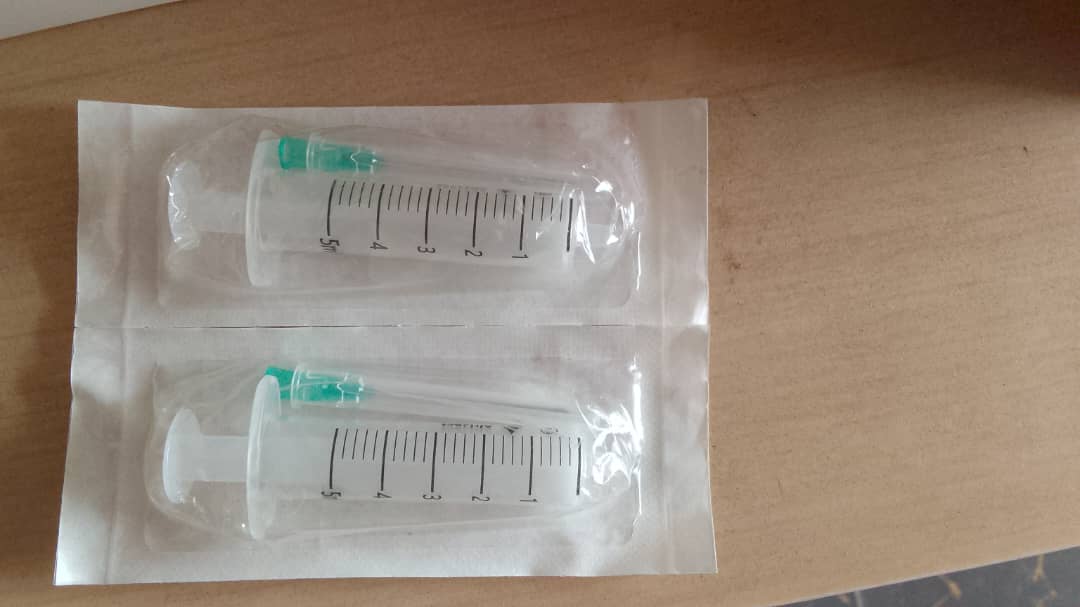

An injection can sound more decisive than a tablet. It is easy to imagine that bypassing the gut must make treatment stronger or more effective. That impression needs to be checked against the actual comparison. Vitamin D injections have been studied, but the route is only one part of treatment. The preparation, amount, timing and reason for using it all matter.
What route-comparison trials tell us
Small trials comparing oral and injected cholecalciferol have found different blood-level patterns. One favoured the injection at 12 weeks. Another found a greater response with oral treatment at three months, with similar levels between routes at six months. The preparations, amounts and follow-up differed, so these findings do not identify one route as universally better. A result from a small study should not become a blanket recommendation for injections. A route might change how quickly a measurement rises or how long it remains raised. That does not by itself establish better symptom relief or fewer complications. We need to see whether the study measured those outcomes.
An injection still needs a reason
An oral preparation may be practical for one person and unsuitable in another setting. Local licensing and clinical circumstances shape the available options. The fact that a clinic offers an injection does not tell us why it is appropriate for a particular person. Route-comparison research supports a more specific discussion than ‘injections are better’. Timing and the intended outcome can change the answer. Ask what problem the injection is intended to solve and what evidence supports that choice. The route should follow the clinical aim.
Related reading
Key Stories
Explore vitamin D stories about everyday questions, supplements and health research.
Read more →Vitamin D Deficiency Definitions
Explains how vitamin D deficiency is defined, why thresholds vary, and how measurement, homeostasis, and functional context shape what deficiency actually means.
Read more →Vitamin D: What It Is
Learn what vitamin D is, how it functions as a regulatory molecule, and why activation, signalling, and biological context matter more than simple measurements.
Read more →Original sources
Treatment of hypovitaminosis D with pharmacologic doses of cholecalciferol, oral vs intramuscular; an open labeled RCT
Published in DOI: 10.1111/j.1365-2265 (2012).
Publication details
Zabihiyeganeh M et al. 2013. Clinical endocrinology. 78(2):210-216. Treatment of hypovitaminosis D with pharmacologic doses of cholecalciferol, oral vs intramuscular; an open labeled RCT. DOI: 10.1111/j.1365-2265.2012.04518.x. PMID: 22882353.
Effect of oral versus intramuscular Vitamin D replacement in apparently healthy adults with Vitamin D deficiency
Gupta N et al. 2017. Indian journal of endocrinology and metabolism.
Publication details
Gupta N et al. 2017. Indian journal of endocrinology and metabolism. 21(1):131-136. Effect of oral versus intramuscular Vitamin D replacement in apparently healthy adults with Vitamin D deficiency. DOI: 10.4103/2230-8210.196007. PMID: 28217512.